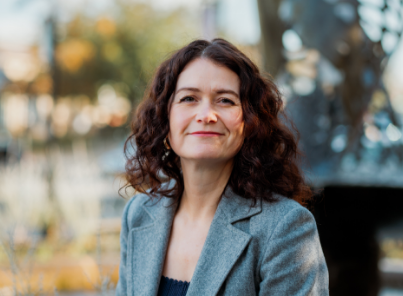




By David Stalker, Board Advisor, Soul Padel
For more than three decades, I have worked across the health, fitness, and leisure sector Across those years, one challenge has remained constant: how do we get more people, more active, more often?
Despite all our collective effort, the UK continues to face an inactivity crisis. It is not simply a health problem, it is a social one. The cost to the NHS and to our communities is vast, and traditional interventions, while well-meaning, often fail to engage those who need them most. To turn the tide, we need activities that are inherently inclusive, social, and joyful, where the barriers to entry melt away.
That is why I believe padel has the potential to transform the way Britain moves.
According to the latest figures from the LTA, more than 400,000 people across Britain played padel in 2024, up from just 15,000 in 2019. Awareness of the sport has also nearly doubled year-on-year, with 43% of adults, around 23 million people, now recognising the game, reflecting its accelerating mainstream appeal.
A Sport That Draws People In
My own introduction to padel came some years ago while playing in Portugal. What struck me was not just the game itself, fast, tactical, full of laughter, but the mix of people it brought together. Four players of completely different abilities, all genuinely having fun. It was a reminder that movement does not have to feel like exercise to deliver its benefits.
I have spent much of my professional life searching for ways to engage those who feel alienated by traditional fitness environments. Padel seems to have cracked that code. But its potential will not be realised through courts alone. It depends on creating the right environments, programmes, and partnerships that turn enthusiasm into sustained participation.
That is where Soul Padel is showing what can be achieved.
Engaging People Who Have Stepped Away from Sport
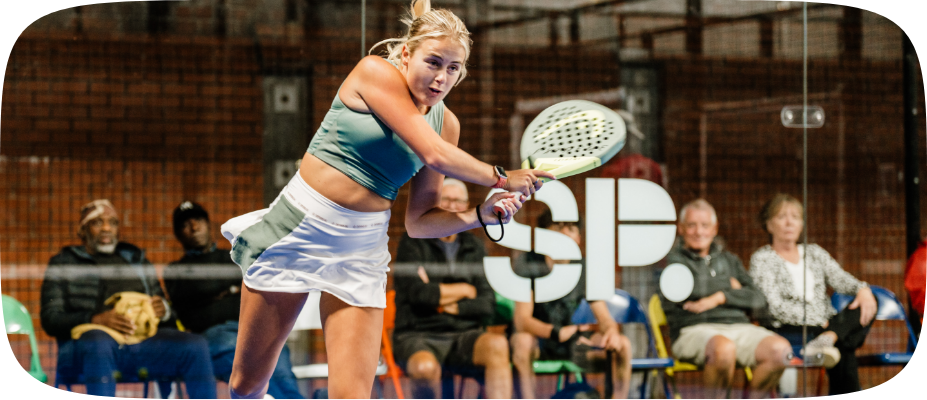
At Soul Padel, the focus is not just on building courts, it is on building communities of players who might not otherwise see themselves as sporty. Our programmes have been designed to reach people at every life stage.
Soul Timers offers sessions tailored to over-50s, giving people the chance to stay active and socially connected. I have seen the difference this makes first-hand, with participants who might once have felt their sporting days were behind them rediscovering the simple joy of play.
Soul Sisters creates welcoming spaces for women to take up the sport, often in groups of friends who come for the social side and stay because they fall in love with the game.
And for the next generation, What’s That Racket? provides free court access for schools, allowing children to experience padel in a new environment and build confidence through fun, inclusive play.
Of course, Soul Padel also attracts customers who are already sporty and competitive, including those who have come from team sports or the fitness sector. The blend of tactical skill, energy, and camaraderie makes padel a natural fit for anyone who thrives on shared activity.
These programmes and audiences together reflect Soul Padel’s belief that accessibility must be built in from the start. Every club we open is a place where people of all backgrounds can meet, play, and connect.
Building Communities Through Partnerships
The real test of any participation strategy is whether it strengthens communities. At Soul Padel, that is the measure we use to judge our success.
Our Stockport site has become a local hub, with four covered courts and two open-air courts that have already welcomed more than 8,500 players. What is most encouraging is that over 3,500 of them have joined Soul Padel’s Soul Mates loyalty programme, a sign that people are not just trying padel, they are coming back, playing regularly, and building friendships through the sport.
At Loughborough University, the first Soul Padel On Campus site, we have integrated padel into the student experience, bridging recreation, wellbeing, and competitive play. It is a model we believe can be replicated at other universities nationwide, bringing the sport to younger generations in the environments where they live and study.
And in St Helens, we have worked in partnership with the local authority to deliver a brand new four-court facility, ensuring padel contributes directly to the borough’s public health and activity goals. It is a great example of what can happen when local government and the private sector work together with shared purpose.
Each of these projects demonstrates that when you prioritise accessibility, partnership, and community, commercial success naturally follows.
Momentum and the Moment We Are In
In 2025 alone, Soul Padel has built 10 new courts across three national locations, and the pipeline for 2026 is even stronger. The leadership team is in place, the financial backing is secure, and most importantly, the model is proven: create great facilities, offer meaningful programmes, and foster a sense of belonging. The result is participation that grows organically and sustainably.
After 35 years in this industry, I can say with confidence that few movements combine social value and commercial momentum quite like padel. It is energising the leisure landscape and attracting new investment, but it is also doing something more fundamental, reconnecting people with sport in a way that feels human, spontaneous, and inclusive.
As an industry, we have a choice. We can watch this wave build from the sidelines, or we can help shape it to deliver genuine impact for our communities.
A Collective Opportunity
What excites me most about padel is not the growth charts or the media headlines, it is the conversations happening on the courts. People from different generations and backgrounds coming together, sharing activity, laughter, and connection. That is where change starts.
If we are serious about getting Britain moving again, we need to champion sports and environments that lower barriers and raise smiles. Padel can be that catalyst, a bridge between fitness and fun, between individual wellbeing and community cohesion. With over eight million Britons expressing a desire to try the sport*, the opportunity is enormous. Padel has moved beyond being a niche pastime to a potential public health asset, one that encourages social connection and consistent physical activity.
At Soul Padel, we are proud to be part of that journey, but we know we cannot do it alone. The opportunity now is for universities, local authorities, developers, and operators to work together to make padel part of the UK’s long-term active future.
Because when people meet, play, and connect, the health of the nation improves. And that is a goal worth rallying around.
David Stalker
Board Advisor, Soul Padel
* source: LTA’s Growth in Padel report, May 2025